

Nepal is globally known for iconic trekking routes like the Everest Base Camp Trek and Annapurna Circuit Trek, but if you are looking for a less crowded, culturally rich, and short trekking experience, the Tamang Heritage Trail Trek is one of the best hidden gems in the Himalayas.
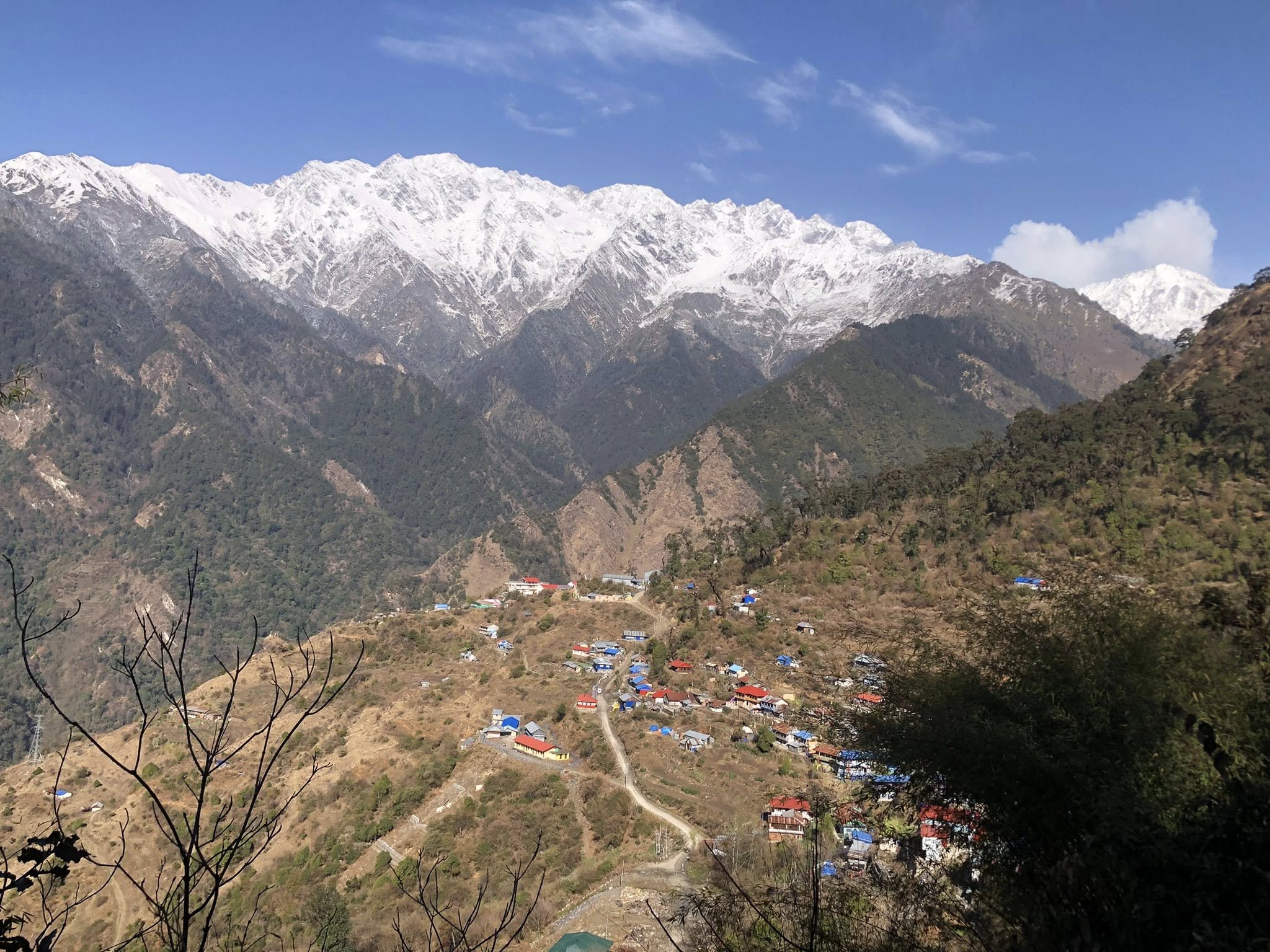
Located in the beautiful Langtang Region Treks, this trek offers a unique opportunity to explore traditional Tamang villages, ancient Buddhist culture, and breathtaking mountain scenery—all within a short distance from Kathmandu.
Whether you're a beginner trekker or someone seeking an authentic cultural experience, this guide covers everything you need to know—from itinerary and cost to the best time to go.
The Tamang Heritage Trail Trek is a culturally immersive trekking route in northern Nepal, close to the Tibetan border. Unlike commercial trekking routes, this trail focuses on local lifestyle, traditions, and community-based tourism.
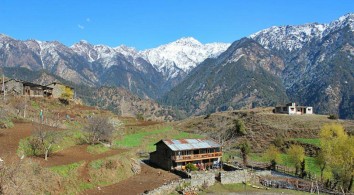
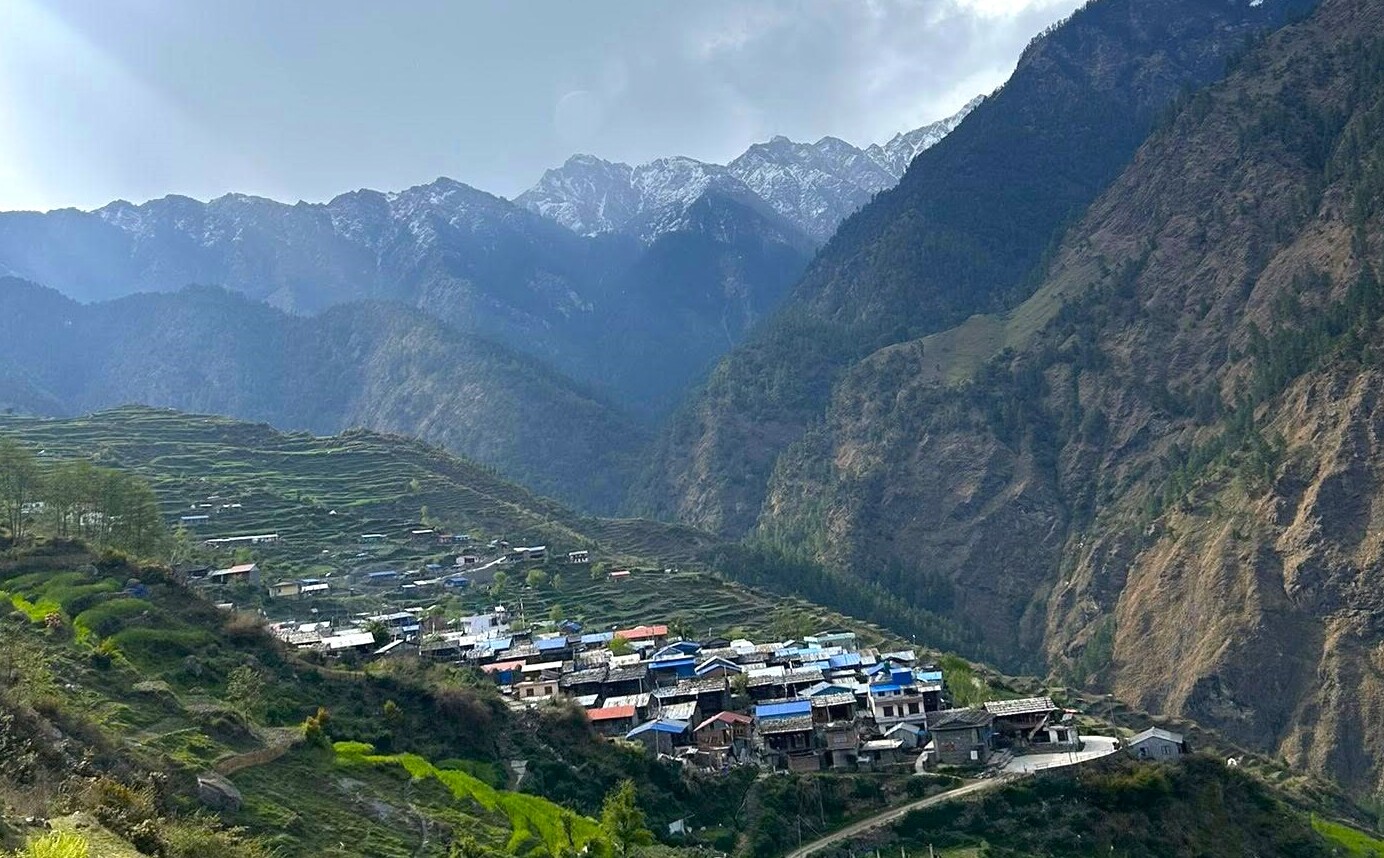
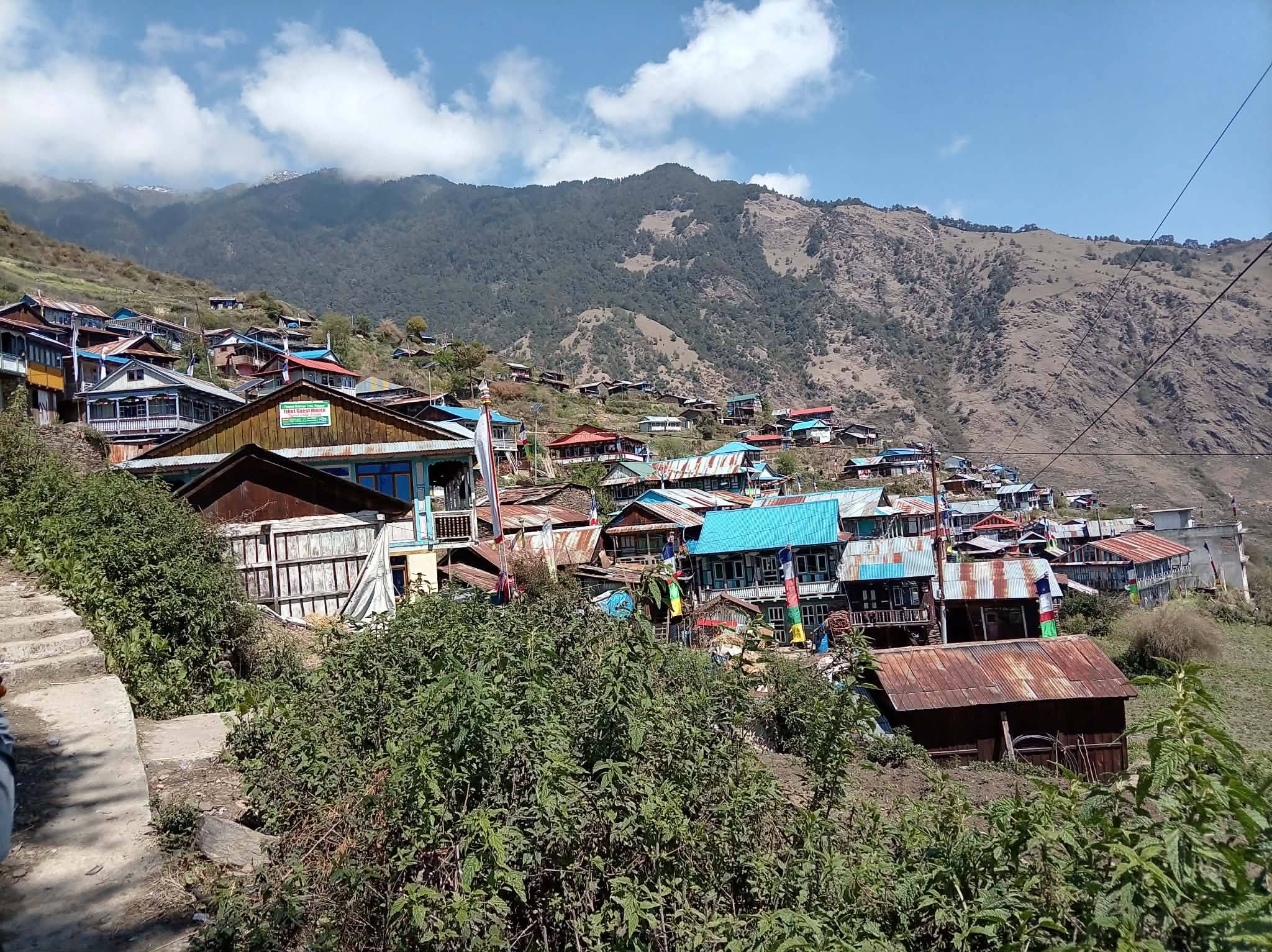
The Tamang people, believed to have migrated from Tibet centuries ago, have preserved their unique language, dress, architecture, and customs. Trekking through villages like Gatlang and Briddim feels like stepping into a living museum of Himalayan culture.
If you're wondering why this trek is gaining popularity, here are some compelling reasons:
The trek starts with a scenic drive to Syabrubesi, just about 6–7 hours from Kathmandu, making it one of the most accessible trekking routes in Nepal.
Unlike Everest or Annapurna, this trek emphasizes cultural immersion rather than just mountain views.
Perfect for trekkers seeking peace and authenticity without heavy tourist traffic.
Enjoy panoramic views of peaks like Langtang Lirung (7,227m).
Your trek directly supports local communities through homestays and local services.
To trek in the Langtang region, you need:
These permits are easily arranged in Kathmandu.
Choosing the right season can greatly enhance your experience.
This trek is considered easy to moderate, making it ideal for beginners.
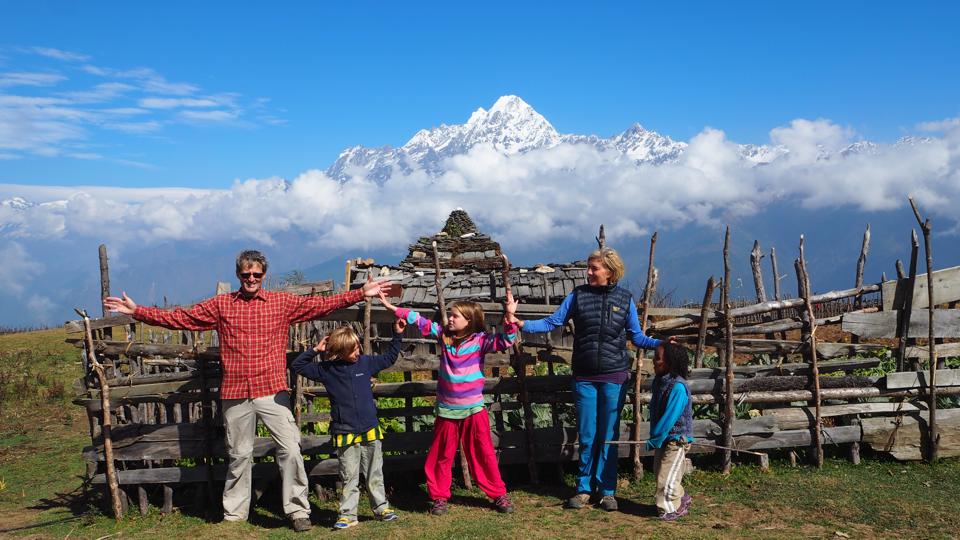
One of the unique aspects of this trek is the homestay experience.
The Tamang people are deeply influenced by Tibetan Buddhism. During the trek, you will encounter:
Staying in villages like Briddim allows you to experience real Himalayan hospitality.
Here are essential items to bring:
The Tamang Heritage Trail Trek is perfect for:
The Tamang Heritage Trail is a model for community-based tourism in Nepal.
The Tamang Heritage Trail Trek is more than just a trek—it’s a journey into the heart of Himalayan culture. While it may not be as famous as Everest or Annapurna, it offers something equally valuable: authenticity, tranquility, and meaningful human connection.
Guesthouse Elevation 1460
Your journey begins with a scenic 7–8 hour drive (approximately 122 km) from Kathmandu to Syabrubesi, the trailhead of the trek. The drive winds through picturesque landscapes, terraced hillsides, and rural villages, offering glimpses of Himalayan peaks along the way. Overnight stay in a local teahouse in Syabrubesi.
Teahouse Food Breakfast, Lunch and Dinner Elevation 2238
The first day of trekking starts with a steep ascent through forest trails and small villages to Rongga Bhanjyang (2,180m), offering excellent views of Ganesh Himal and the Goljang Valley. After a brief descent, you reach Gatlang, a charming Tamang village with traditional stone houses and rich culture. Explore the local monastery and enjoy a cultural welcome from your homestay hosts.
Teahouse Food Breakfast, Lunch and Dinner Elevation 2607
Today’s trail descends to Thangbuchet by the Bhotekoshi River, then climbs steadily to Tatopani, which means "hot water" in Nepali. The natural hot springs here were once a popular stop for relaxation (note: check local conditions for current availability). The trail offers fantastic views of Langtang Himal and the Tibetan borderlands.
Teahouse Food Breakfast, Lunch and Dinner Elevation 2340
After breakfast, the trek climbs through lush forests and alpine meadows to Nagthali Danda (3,165m), a former meditation center with stunning views of Langtang Lirung, Kerung, and Ganesh Himal. After a scenic break, descend through dense rhododendron forests to the culturally rich village of Thuman, known for its Tibetan-influenced customs and architecture.
Teahouse Food Breakfast, Lunch and Dinner Elevation 2229
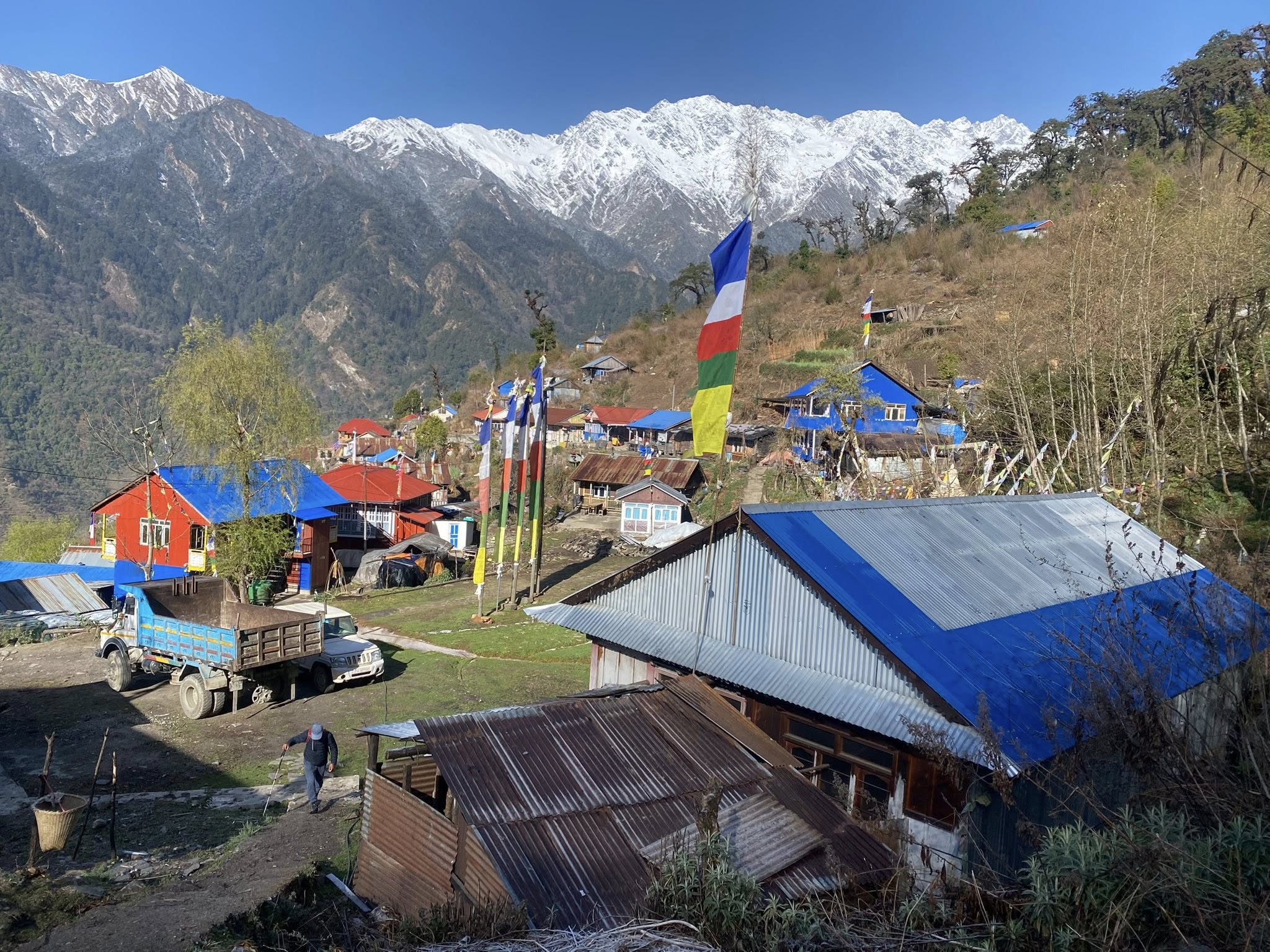
From Thuman, the trail gently descends and then ascends through beautiful landscapes to the village of Briddim, located on the lap of Langtang Himal. Briddim is a model homestay village where visitors can stay in local homes and enjoy authentic Tamang hospitality, food, and traditions. Visit the Dukchu Gompa, a revered monastery in the village.
Guesthouse Food Breakfast, Lunch and Dinner Elevation 1460
The final day of trekking is an easy descent back to Syabrubesi, passing through terraced fields and quiet trails. Upon arrival, you can relax and reflect on the cultural immersion and scenic beauty experienced throughout the trek.
Food Breakfast, Lunch and Dinner Elevation 1345
After breakfast, drive back to Kathmandu, retracing the route through the hills and valleys. Upon arrival, transfer to your hotel and enjoy your last evening in Nepal.
The best time to trek the Tamang Heritage Trail is during the spring (March to May) and autumn (September to November) seasons. During these months, the skies are generally clear, temperatures are moderate, and the mountain views are stunning. Spring brings blooming rhododendrons and wildflowers, while autumn offers crisp air and excellent visibility.
Avoid trekking during the monsoon season (June to August) due to heavy rain, muddy trails, and leeches, and winter (December to February) can be cold with potential snow at higher elevations, though still possible for experienced trekkers.
To trek the Tamang Heritage Trail, you need two permits:
Both permits can be obtained in Kathmandu through trekking agencies or at the Nepal Tourism Board office. Be sure to carry passport-sized photos and a copy of your passport.
The Tamang Heritage Trek is considered a moderate trek in Nepal, suitable for both beginners and experienced hikers. Daily trekking distances range from 7 to 12 kilometers, with elevation gains up to 3,165 meters (Nagthali Danda). While no technical climbing is involved, a reasonable level of fitness and the ability to walk for 5–6 hours a day are recommended.
The highest point on the trail is Nagthali Danda (3,165m). While the risk of altitude sickness is relatively low, it's still important to acclimatize properly, stay hydrated, and ascend gradually. Symptoms like headache, dizziness, or nausea should be taken seriously.
Accommodation on the Tamang Heritage Trail consists mainly of teahouses and homestays. These provide basic yet comfortable lodging, often in traditional Tamang-style homes. You'll enjoy authentic Tamang cuisine, including dal bhat, noodle soup, and Tibetan-style bread. Most villages offer hot meals and limited electricity for charging devices.
For a successful Langtang region trek, pack the following essentials:
Respecting Tamang culture is key. Dress modestly, ask before taking photos, and participate respectfully in local traditions. Staying in Briddim or Gatlang provides a deeper look into daily life, Buddhist practices, and local crafts.
There is limited mobile network coverage along the trail, and Wi-Fi is rare or slow. Bring enough cash in Nepali rupees, as there are no ATMs once you leave Kathmandu.

The Tamang Heritage Trail is a culturally immersive trek in the Langtang region of Nepal, offering trekkers an opportunity to explore remote Tamang villages, scenic landscapes, and ancient Buddhist heritage. It’s an excellent off-the-beaten-path trek suitable for both beginners and experienced hikers.
The trek typically takes 7 to 10 days, depending on your pace and route. Some trekkers also combine it with the Langtang Valley trek for a longer experience.
The Tamang Heritage Trek is considered moderate. Daily walking ranges from 5 to 7 hours, with the highest point at Nagthali Danda (3,165m / 10,384 ft). No technical climbing is involved, making it suitable for trekkers with average fitness.
The best seasons for this trek are spring (March–May) and autumn (September–November). These months offer clear skies, great visibility, and comfortable weather. Winter is colder but possible, while the monsoon (June–August) is generally not recommended due to rain and slippery trails.
You will need two permits:
Both can be obtained in Kathmandu or through a registered trekking agency.
Yes, there are basic teahouses and homestays in villages such as Gatlang, Tatopani, Thuman, and Briddim. These offer local meals and accommodation in a traditional Tamang setting. It's a great way to experience authentic Tamang culture and hospitality.
While the maximum altitude is below 3,500 meters, mild altitude sickness can still occur. It’s important to stay hydrated, ascend gradually, and rest if symptoms appear. The risk is low compared to high-altitude treks like Everest Base Camp.
Yes, the trail is well-marked and can be done independently, but hiring a local guide adds value through cultural insights and navigation. A porter can also help carry your gear and support the local economy.
Absolutely! The Tamang Heritage Trail is a safe and welcoming route for solo trekking in Nepal, especially for those seeking cultural immersion and community-based tourism experiences.
The trek starts from Syabrubesi, about 7–8 hours by road from Kathmandu. Local buses or private jeeps are available daily. The road can be rough, so starting early is recommended.
You’ll enjoy traditional Nepali and Tamang cuisine, including dal bhat, noodles, momos, Tibetan bread, and local yak cheese. Meals are prepared fresh in teahouses and homestays.
Yes, travel insurance is highly recommended. Ensure it covers high-altitude trekking and emergency evacuation, especially if combining this route with higher trails like Langtang Valley or Gosaikunda.


.jpg)


.jpg)



© 2011 - 2026 All rights reserved. Nepal Unique Treks Developed By : Xenatech Nepal
 WhatsApp
  Plan Your Trip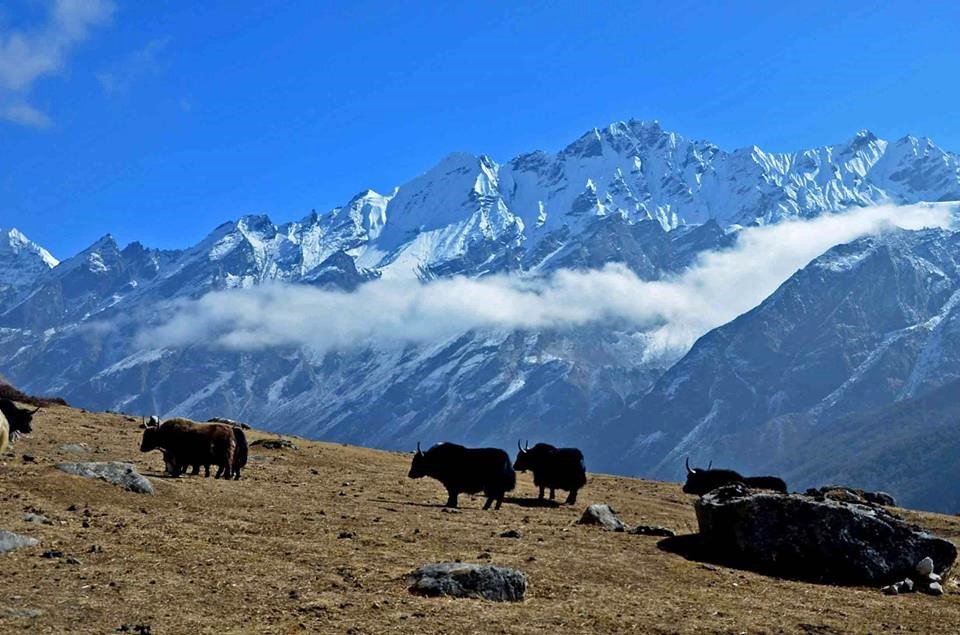






 US$795